
The advanced canning technology unlocks new potential for packaged beer in Australia and New Zealand.
The post East Coast and Meadow Kapsul deliver resealable, sustainable canning appeared first on Beer & Brewer.
The advanced canning technology unlocks new potential for packaged beer in Australia and New Zealand.
The post East Coast and Meadow Kapsul deliver resealable, sustainable canning appeared first on Beer & Brewer.

In its first international debut, the Australian brewery’s entirely gluten-free range is now available in New Zealand.
The post TWØBAYS Brewing Co. lands in New Zealand appeared first on Beer & Brewer.

DB Breweries names Peter Hart as its new Managing Director, bringing global experience and deep company roots.
The post DB appoints new Managing Director appeared first on Beer & Brewer.
In California, craft beer and wine are both power players, but a refreshing beer at the end of the day seems to be a popular thirst-quencher whether your line of work is fermenting grapes or grains.
The post It Takes a Lot of Beer to Make Good Wine appeared first on CraftBeer.com.
 The brewery kicks off its weekend-long invitational across several venues today, featuring four new beers and celebrating all things IPA.
 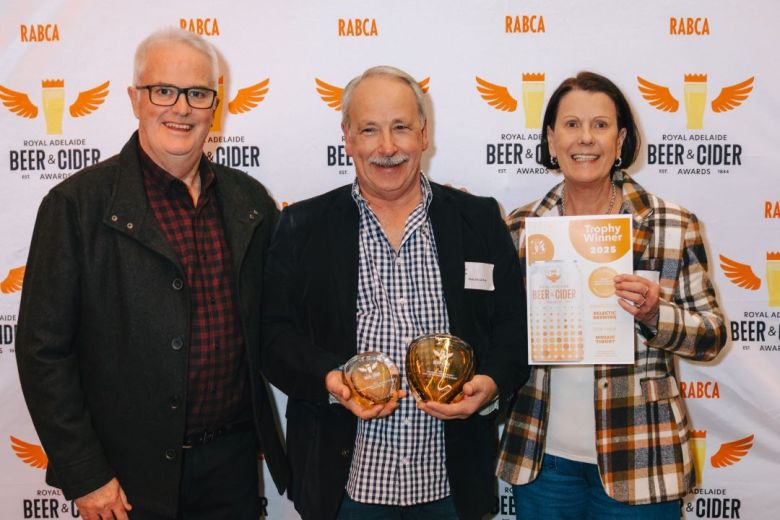 The Royal Adelaide Beer and Cider Awards are open to breweries across Australia and New Zealand and this year South Australian’s took home all the major awards.
 Today, there is no family of hops more in vogue than those coming from New Zealand.
The post Tapping into New Zealand Hop Terroir appeared first on CraftBeer.com.
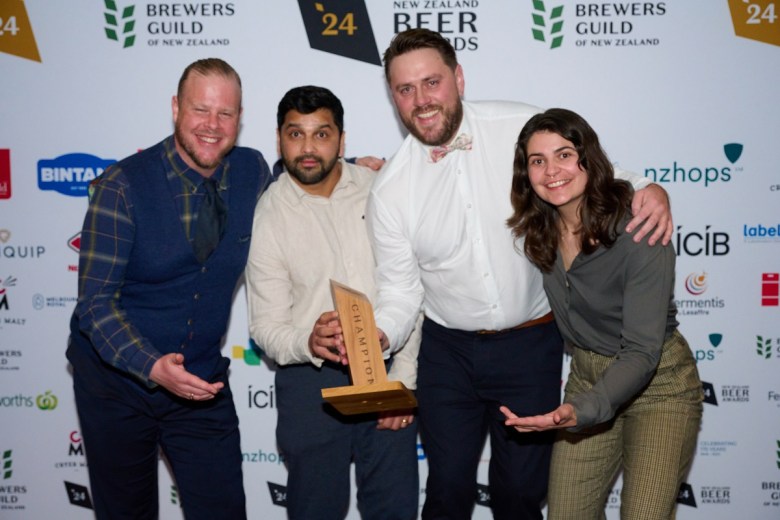 NZ Beer Awards 2025 introduces Champion Australian Brewery trophy, spotlighting trans-Tasman brewing excellence and innovation.
  Aussie brewers, entries are now open for the 2025 NZ Beer Awards – including a new Aussie trophy!
  This Brewer Spotlight highlights Bracket Brewing’s Mike Meletopoulo who speaks to Beer & Brewer about his career built on finding balance.
 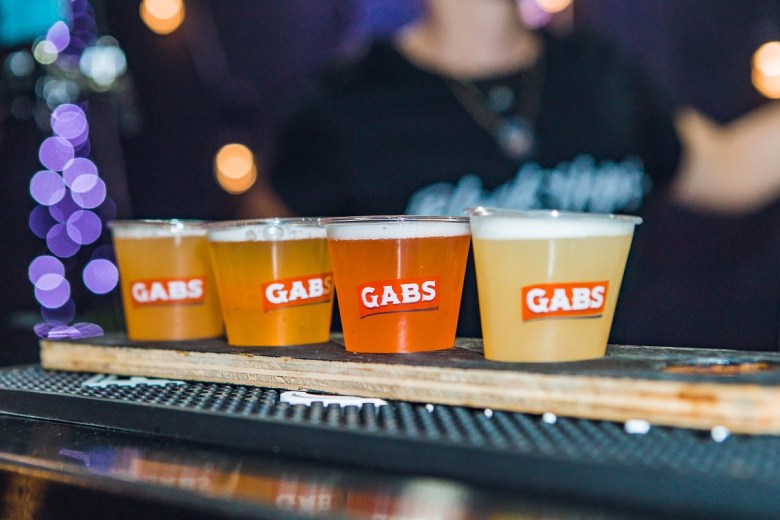 The festival will be hosted across Melbourne, Brisbane and Sydney, with tickets now available for all three cities.
 There’s an old saying in winemaking that it takes a lot of great beer to make great wine. But in the brewing industry, it takes plenty of great tacos to make great beer.
The post Tacos & Beer: Fueling the Yakima Valley’s Hop Harvest appeared first on CraftBeer.com.
 Owner Ralph Bungard spoke about the changing perception of beer, 20 years of ups and downs, and what makes Three Boys special.
 The fourth-largest producer of hops in the U.S., Michigan has become a unique test subject for the future of American hop production—and craft beer itself.
The post The New Nobles: Michigan Hops appeared first on CraftBeer.com.
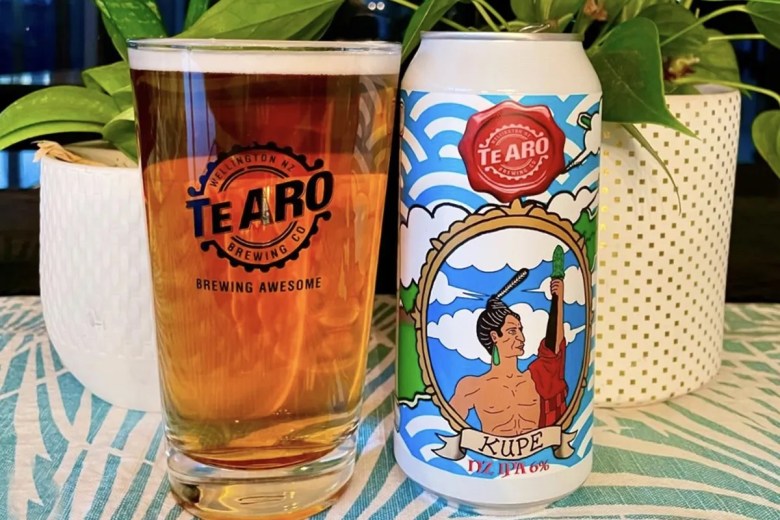 New Zealnd's Te Aro Brewing, has been ordered to remove one of its beers from sale after it was found to be in breach of advertising standards.
As someone with a "beer-centric" palate, it is often difficult for me to find cocktails that I enjoy. When I go to a cocktail bar and order something that sounds interesting, the flavors are often overwhelmingly concentrated, and the balance tends to be either super-sweet or super-boozy. The 20-30+% ABV of most cocktails also makes them rough to drink at the same rate you would a beer...
So, I thought it would be interesting to invent a few cocktails inspired by the balance and flavors of some of my favorite beer styles. If you want to drink something that tastes exactly like a beer… drink a beer! These cocktails are “inspired” by the flavors in the style and the overall balance of the style in terms of alcohol-bitterness-sweetness, they aren’t meant to be “ringers” for drinking a given beer. I'm also trying to avoid "uncommon" ingredients... although some of these may take a little searching at a specialty grocery/liquor store or online.
I’m not an experienced bartender or mixologist, if you try one of these let me know what you think and if you have any suggestions!

Gin and Tonic is my standard cocktail order because it isn't too strong or too sweet, and the bitter/herbal notes are something I appreciate. I also find Ramos GIn Fizz to be a fun one, with the added body of an egg white and cream, and more citrus from lemon juice and orange blossom water. In this "Hazy IPA" inspired riff, I swapped out the tonic for aromatic hop water. To replace the malt sweetness and enhance the juicy flavors from the hops I added orange juice. To keep it from being too one-note orange, I added New Zealand Sauvignon Blanc, which contains high concentrations of many of the aromatics produced by Thiolized yeast and found in New Zealand hops. An egg white helps to add haze, foam, and body.
Recipe
In a shaker, combine:
1.5 oz Bombay Dry Gin
1.25 oz Orange Juice
1.25 oz Oyster Bay Sauvignon Blanc
1 Egg White
Dry shake 10 seconds
Pour into a glass, then top-up with:
6 oz Hop Water
6.7 % ABV
Ingredient Notes: The Hop Water you choose is up to you. I've enjoyed the ones from breweries as well as places like Hoplark. You can also make your own with carbonated water and some hop terpenes (I like the ones from Abstrax). Use pasteurized egg white if you are worried about the risk of salmonella. If you don't like orange, try mango or another juice that appeals to you.
Tasting Notes
Smell - Winey tropical-citrus. Slight herbal from the hops and gin. Doesn't read obviously juniper.
Appearance - Very pale, very hazy. Great sticky head.
Taste - Pleasantly sweet. Good balance of the juice and wine, without either dominating. The gin provides some depth, but again not overtly gin-y. The hop water brings herbal complexity without dominating the other ingredients with "hops."
Mouthfeel - Medium-light body, light carbonation.
Drinkability - Light and bright, citrusy.
Changes for Next Time - Certainly could add a few drops of hop terpenes if you want to send it more hoppy. Some hopped bitters could be a nice addition if you like a little more bitterness.

Thanks to Audrey, I've really come to enjoy fortified wines like Port, Sherry, and especially Madeira. It's traditionally made by halting fermentation with an addition of brandy to preserve the sweetness of the wine, then aged at elevated temperatures. The result is a like a concentrated barrel-aged English barleywine, woody, with dried fruit, and pleasant oxidative notes. I added Rye Whiskey to elevate the vanilla notes. Malta is essentially unfermented wort, but tends to have big caramel and malt extract notes from pasteurization. It helps by lowering the alcohol without thinning the cocktail, adding a little carbonation.
Recipe
Combine together:
.5 oz Bulleit Rye (95 Proof)
1 oz Broadbent 10 Year Verdelho Madeira
1 oz H&H 10 Year Sercial Madeira
Stir, then top with:
2 oz Malta India (or Malta Goya)
14.0% ABV
Ingredient Notes: Madeira comes in various sweetness levels, the really sweet ones are too sugary for my tastes in this. Sercial is the driest and Verdelho is off-dry, but find ones that work for your palate.
Tasting Notes
Smell - The vanilla/oak of the rye leads. Rich dried fruit behind it. There is some maltiness there, but definitely tastes like a really aged-out barleywine without any fresh graininess. Boozy, hotter than I'd expect from an English barleywine.
Appearance - Deep leathery brown. Good clarity. No head.
Taste - The Maderia really gives it an "aged" character, lots of raisin and date. The Sercial especially gives it a fun oxidative weirdness, and a faint acidity. There is a "sugary" sweetness, along with some alcohol warmth. Subtle bitterness.
Mouthfeel - Almost flat, "barrel sample" generously. Not quite as full as a real barleywine, but not watery or thin by any means.
Drinkability - This is one of the more evocative ones, really has a lot of the flavors you'd expect from a barrel-aged barleywine. It's a little sweet for me, but so are a lot of barleywines.
Changes for Next Time - Wish it had a little more carbonation. Otherwise it really satisfies that English Barleywine itch.

One of the classic inclusions in the microbe blend for Flemish Red/Browns (e.g., Wyeast Roeselare) is Sherry Flor. This oxidative yeast forms the pellicle on sherry and produces the characteristics aldehydes that give sherry a nutty/fruity aroma. Oloroso is more "microbe" forward, funkier, while PX is more sweet and dried fruit (especially raisin). The acidity of the grapes needs a little help to mimic the classic examples of the style, so inspired by shrubs I added both vinegar and kombucha. The blend of sherries, sweetness of the kombucha, and amount of vinegar are all variables you can adjust.
Recipe
Combine together:
.5 oz Lustau Oloroso Sherry
.5 oz Lustau PX Sherry
.25 tsp Balsamic Vinegar
Stir, then top with:
3 oz Wild Bay Elderberry Kombucha
4.6% ABV
Ingredient Notes: The kombucha choice is tricky, a cherry kombucha is a nice choice if you are looking to replicate a fruited version of the style. For my palate I'd avoid those kombucha with stevia or other non-sugar sweeteners. Cream Sherry is a blend of Oloroso and PX and could be a stand-alone replacement (although you the flexibility or tweaking your blend).
Tasting Notes
Smell - Fun mix of red fruit and raisins. A little oak/almond. The elderberry works well compared to some other kombuchas since it isn't as distinct as cherry, strawberry et al. I like the Wild Bay since it doesn't have stevia or other non-sugar sweeteners.
Appearance - Clear, more amber than red. Color is about right. Not much foam.
Taste - Pleasantly sweet. Tart, with just a touch of vinegar. It has a good blend of fresh and dried fruit flavors, plum, fig, raisin etc. A little oaky. Has that classic Belgian Red balance with sugar balancing the acid.
Mouthfeel - Medium body, pleasant low carbonation.
Drinkability - This is a super interesting result for low ABV.
Changes for Next Time - Misses the maltiness of the real version, but it has the fruitiness, acid, oak, age. For a low ABV cocktail it really delivers, with the fermentation of the kombucha helping stretch the Sherry.

Flavored beers are one of the "easiest" points of entry since they already have big flavors that aren't from malt, hops, or yeast. That said, it seemed like a waste of time to make a smoothie sour cocktail. Coffee stout is still a stout, and seemed like a nice place to work in bourbon since it usually includes some barley and brings big oak aromatics that work well in stouts. A little Malta again provides body, sweetness, and a touch of carbonation.
Recipe
Combine together:
4 oz Cold Brew Coffee
1 oz Kahlua
1 oz Bourbon
Stir, then top with:
2 oz Malta India
7.5% ABV
Ingredient Notes: I should probably have sourced a "better" coffee liquor, but Kahlua is what we had on hand. Homemade cold brew would work just as well, if not better.
Tasting Notes
Smell - Big coffee nose, with some vanilla. It reads caramel malty, but not roasty.
Appearance - Deep brown, with red at the edges when held to the light.
Taste - Has a pleasant sweetness, certainly sweeter than a typical coffee stout thanks to the simple sugars. Nice note of bourbon woody/vanilla in the finish
Mouthfeel - Medium body, light carbonation.
Drinkability - I really like this one, more coffee-focused than a stout usually is, but the other notes round it out.
Changes for Next Time - I think this one straddles the line between traditional coffee stout and pastry stout. A little sugary compared to a classic stout.
This has been fun for me to work on the last couple months. I'll probably make a Part #2 if there is interest... already playing around with a West Coast Grapefruit IPA, Pastry Stout plus plans for Wit, Rauchbier, and Saison!
Shoot me a line if you try any of these out, or if you have suggestions or other ideas!
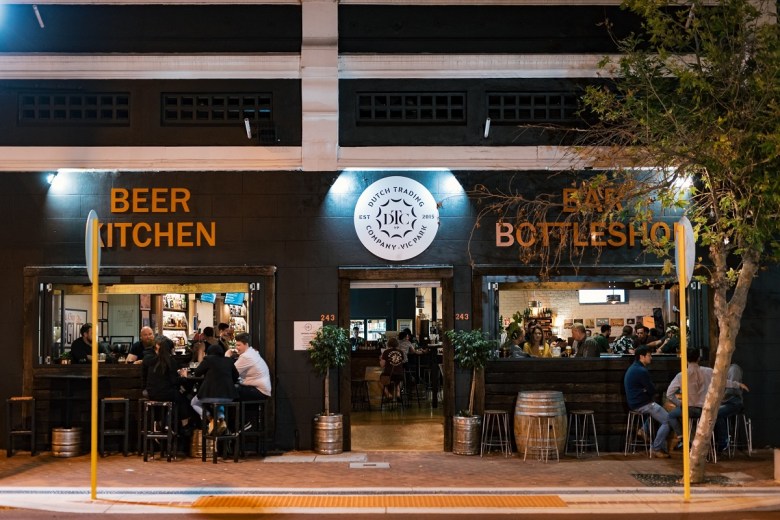 After nine years as a craft beer hub for WA, Dutch Trading Co. is closing, with the owners planning to transform the venue into something new.
 These movers and shakers are not only brewing top-notch beer, but are also making game-changing steps toward a craft beer industry that welcomes all.
The post Pride in Their Craft: LGBTQIA+ Brewers Build Community appeared first on CraftBeer.com.
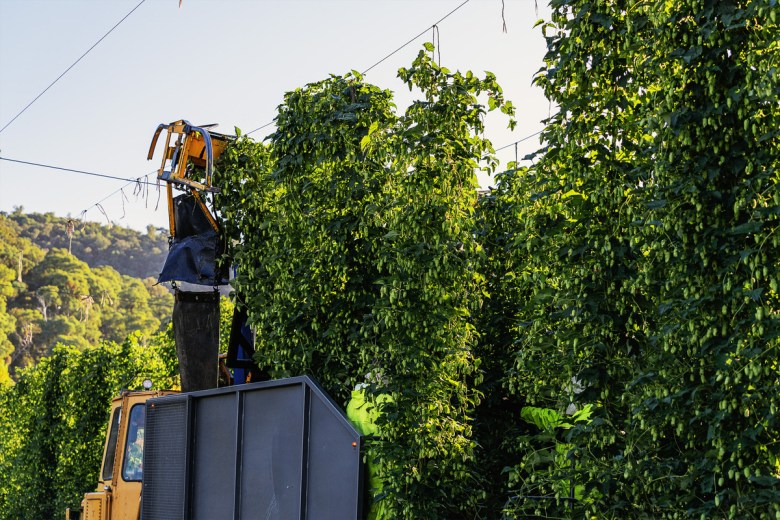 Weather conditions led to reduced hop yields across the board, but high alpha and oil levels indicate a promising crop.
 This is the second in a series of posts each covering an aspect of brewing mixed-fermentation barrel-aged beers where my opinions have changed significantly since I wrote American Sour Beers 10 years ago. Each post will focus on our process, recipe, and results for one of the beers in the Sapwood Cellars Shipping Club (includes 6 bottles, for $146, cancel anytime) - sign-ups for the first box close May 5th! This post covers blending through the lens of Growth Rings 2023 (our blend of 1-, 2-, and 3-year barrel-aged sours). If you are closer to the brewery, May 10th and 11th I'll be doing a talk and vintage sour tasting including pours of Growth Rings 2021 and 2023!
As a homebrewer, my experience with blending was limited to a handful of batches. Over the last six years I've had a hand in blending more than 70 batches of barrel-aged sour beer. So, I thought it would be valuable to give my thoughts on the process, what I've learned to do, and not to do.

You can't blend great beer if you don't have options. Creating variety starts on brew day and continues through fermentation and aging.
Malt Bills - More so for darker sours, it's good to have options for beers that have different flavors to pull from. Even for pale beers, having different grains (wheat, oats, rye, spelt, light caramel malt etc.), and starting gravities can be valuable for creating range.
Hopping Rates - As I discussed in my previous post, hopping rate plays a large role in acidity and "funky" aromatics. Bitterness itself can be a valuable flavor in a blend, it's a flavor present in most lambics, and too often missing from American sours.
Acidity - Having "Brett only" barrels is a good way to ensure you have beer available that won't be too acidic. When a barrel starts getting too sour, we'll often keg it so it is available for blending at a low level for beers that aren't sour enough.
Barrels - A blend of "new" and well-used barrels. Early on all of our barrels were first-use (to us). As a result many of our early releases were too woody, giving "lumber aisle" vibes. Most sour beers are light and delicate and too much oak can overwhelm. At the same time, it's good to retire barrels that aren't producing spectacular beer allowing you to bring in new characterful barrels (we currently have fresh gin, Madeira, PX Sherry etc. aging). If I was starting a new barrel program, I'd soak half of the barrels slated for pale beers with multiple changes of hot water to leach out oak flavor and tannins before filling.
Microbes - It is easiest if you have the same culture in all of the beers/barrels. In that case you don't have to worry about additional attenuation after packaging. For me, it's more valuable to have a variety of microbes for different acid levels and Brett profiles for more dynamic flavor options. As time has gone on we've split the difference, pumping in some of a favorite barrel to a fresh batch, but then going into various barrels with their own cultures. We'll also pitch additional microbes if a barrel isn't headed in a good direction at 6-12 months.
Ages - It can be helpful to have the same/similar beers of various ages so you can balance flavors. We've gotten better at judging which barrels just need more time, and which are headed in a bad direction and need to be dumped. That said, I don't have as much time to taste/monitor the barrels as I should and I still "miss" some good barrels leaving them in too long until they taste oxidized or off.

Think about the goals before you start. What is the concept? What other ingredients are you adding after blending? What is the target volume? Sometimes it is good to just taste barrels for inspiration, but that can be overwhelming when you have dozens of barrels to select from. I try to set a general schedule before the year starts. It keeps me on track for seasonal ingredients, sourcing barrels for finishing, and utilizing our staff/tank time rather than bunching up releases. I tend to earmark barrels as "potential" candidates for a blend, ideally twice as many barrels as a blend would require.
From there, I go to our barrel-spreadsheet (more info). I filter for beers with enough age, appropriate bases, removing barrels that are already earmarked for other projects. Lots of releases overlap, say I fill five barrels with sour red and hope to get a two-barrel blend plain and a two-barrel blend with fruit. Hopefully I have an "orphan" barrel that was passed over from last year or another similar base that didn't fit in its blend available for variety. Then I start pulling nails and tasting to gauge my options. I note barrels that need more time and those that are running out of time. Hopefully that narrows down my choices to five barrels at most for a two or three barrel blend.
Then I pull larger samples of those barrels so I have enough beer for a few blends without having to go back and pull more. When possible, I try to create full-barrel blends, although we occasionally keg-off partial barrels for future blending stock. In the same way if a blend is missing a little something, I'll take a look through our kegs and see if there is an option that satisfies the need.
I usually break down my options by acidity. If two barrels are a bit too acidic and two are not acidic enough, I'll try blending my favorite from each camp together to see where that gets me. Then swap in the other if there is something that doesn't work. Once I get a solid blend, I might go hunting for a little something extra. For example we were just blending a sour red, and ended up with a little 3+ year-aged Vin de Cereale (strong sour red) as a low-percentage malt-booster bringing perceived sweetness and more oak.
In terms of the practicalities of blending, I usually use volume. Weight works, but I tend not to worry about extreme precision because the volume in each barrel can differ by 5-10% anyway. For each blend I start with an empty cup to avoid issues with tracking when you take a sip, dose in more and then don't really know the ratio.
Finally, I write down the winning blend. When possible, I come back and taste the blend on a fresh palate later, ideally with someone who wasn't involved in the initial blend (since that is how the majority of people drinking the beer will approach it).

Blending takes time and practice, but one thing that has been immensely helpful is blending with other people. Some of my favorite collabs are sensory rather than recipe-based. There isn't often much I get out of brewing a collab beer, instead we invite in other brewers to taste through our barrels and help select a blend, brainstorm adjuncts etc. Sam, Tim, and co. from Other Half helped blend Throwing Hearts. Jennings from Pen Druid came in to blend Life is Ridiculous. Mike Thorpe from Afterthought visited last week to blend an upcoming beer with hardy kiwi and New Zealand hops. We've done similar things on the stout side with Mike Saboe from Toppling Goliath and Eric Padilla from More/Open Outcry. Heck it's just great bringing in homebrew friends with good palates to help taste barrels, bounce ideas off... and just give me an excuse to pull samples!
Barrel #16
Beer: Golden Sour (Pils, 2-row, Chit, Wheat Malt, .5 lbs/bbl Aged Hops, 1.056)
Age: 16 Months
Barrel: 5th-fill Pinot Noir American Oak
Culture East Coast Yeast Flemish Ale
Notes: Rubbery funk, medium acid, bright, good
Barrel #19
Beer: Rings of Light (2-row, Chit, Malted Wheat, Unmalted Oats, 40 IBUs in Whirlpool, 1.062)
Age: 8 months
Barrel: 4th-fill Chardonnay American Oak.
Culture: Omega Brett C and Yeast Bay Amalgamation
Notes: Less acidic, funky, bright fruit, rubbery
Barrel #20
Beer: Marylandbic (Pils, Unmalted Wheat, Chit, .5 lbs/bbl 2014 Celeia pellets, 1.045)
Age: 35 months.
Barrel: 2nd-fill Chardonnay American Oak.
Culture: Omega Brett C and Yeast Bay Amalgamation (plus a house culture that was a repitch of a repitch in primary)
Notes: Loamy, a touch stale, bright lactic acid.
Barrel #62
Beer: Belgian Pale (Pilsner, Wheat Malt, Vienna, 15 IBUs Sterling First Wort, 1.048)
Age: 27 months
Barrel: 2nd-fill Cabernet Franc French Oak
Culture: SARA Saison Bernice
Notes: Sprite, tart, but not highly acidic.
Growth Rings is the rare bottle-conditioned sour that we didn't repitch with wine yeast, a good choice if you're looking to harvest bottle dregs!

(My personal notes from a few months ago)
Smell - Citrusy nose, apricot, hay, bright and fresh. Missing that big rubber that is present in most great lambics.
Appearance - Pale gold, clear, lots of bubbles, thick head, good retention. Great lacing.
Taste - Delicate acidity. Lemon, apricot, just a touch of rubber.
Mouthfeel - Snappy carbonation, medium-light body. Lighter bodied than a classic Gueuze.
Drinkability - In terms of drinkability, it’s my favorite recently. Lively, complex… but it isn't as gueuze-y.
Changes for Next Time - It has sort of a barrel-aged saison quality more than gueuze. Maybe that fresher whirlpool hop character from Rings of Light… that said I really like the result.

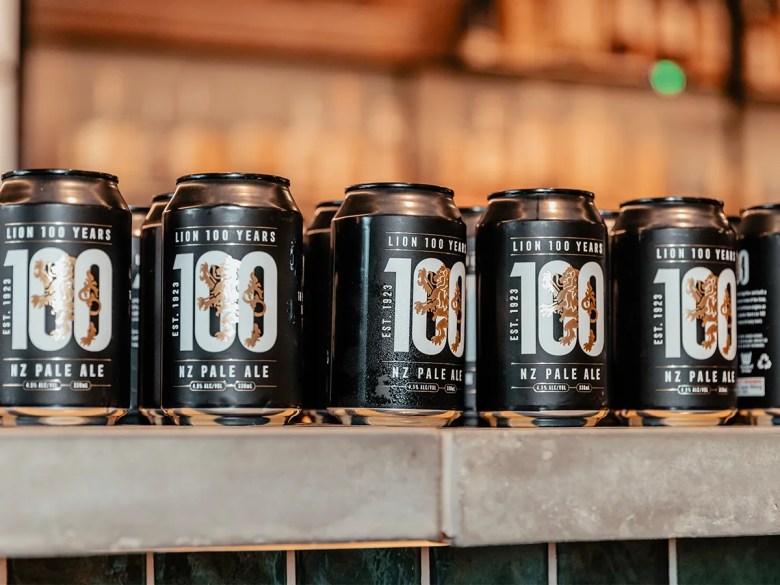 Lion NZ is celebrating the significant milestone with the release of a commemorative, limited-edition pale ale.
 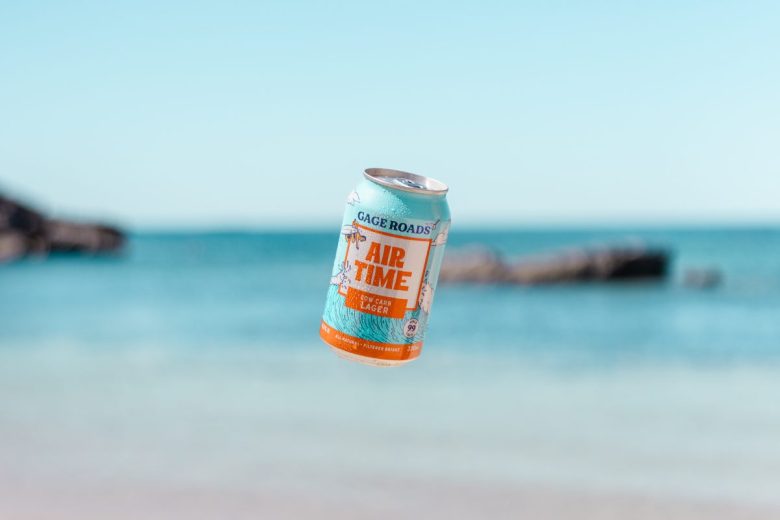 New low carb lagers and an Australian rollout of a popular non-alcoholic stout hit the shelves and beer taps.
 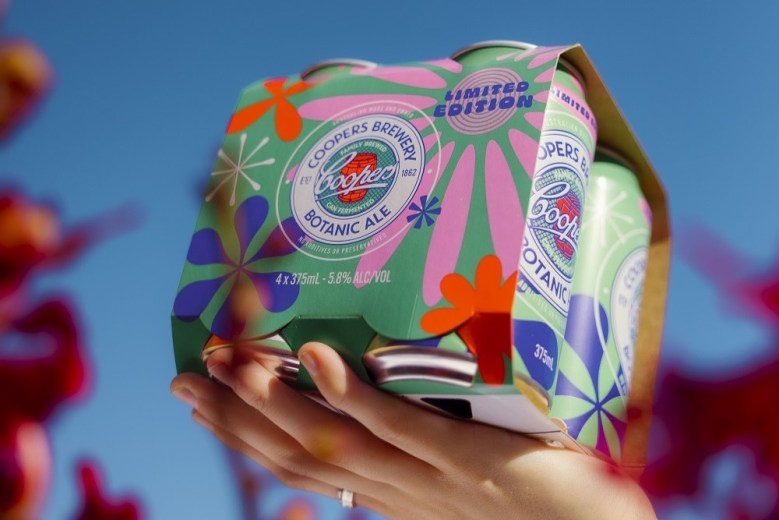 Coopers Botanic Ale was designed to appeal to the crossover of craft beer and gin drinkers.
  This week I take a look at the hops from New Zealand and Australia which have become some of the most desirable IPA hops in the world over the last few years. Hop Varieties from Australia and New Zealand As the US craft beer industry has grown, many of the varieties from Australia and New […]
  This week I examine a group of US hops from the Pacific Northwest. These American hops form the heart of the US Craft Beer revolution and are widely used in American Pale Ale, and the wide array of India Pale Ales (IPAs) that now dominate Craft Beer production in the US. The Pacific Northwest Hops […]
 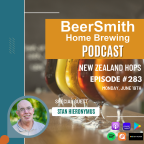 This week I welcome back Stan Hieronymus to discuss New Zealand hops, new hop varieties and their application in India Pale Ales. Subscribe on iTunes to Audio version or Video version or Spotify or Google Play Download the MP3 File– Right Click and Save As to download this mp3 file. Your browser does not support […]