profile
Jerry Franck, an Academy Award-nominated documentary filmmaker, followed a few notable lambic breweries to help sustain what many see as an anachronistic approach to beer making.
The post The Coolship Has Landed: Film Elevates the Art of Lambic Brewing appeared first on CraftBeer.com.
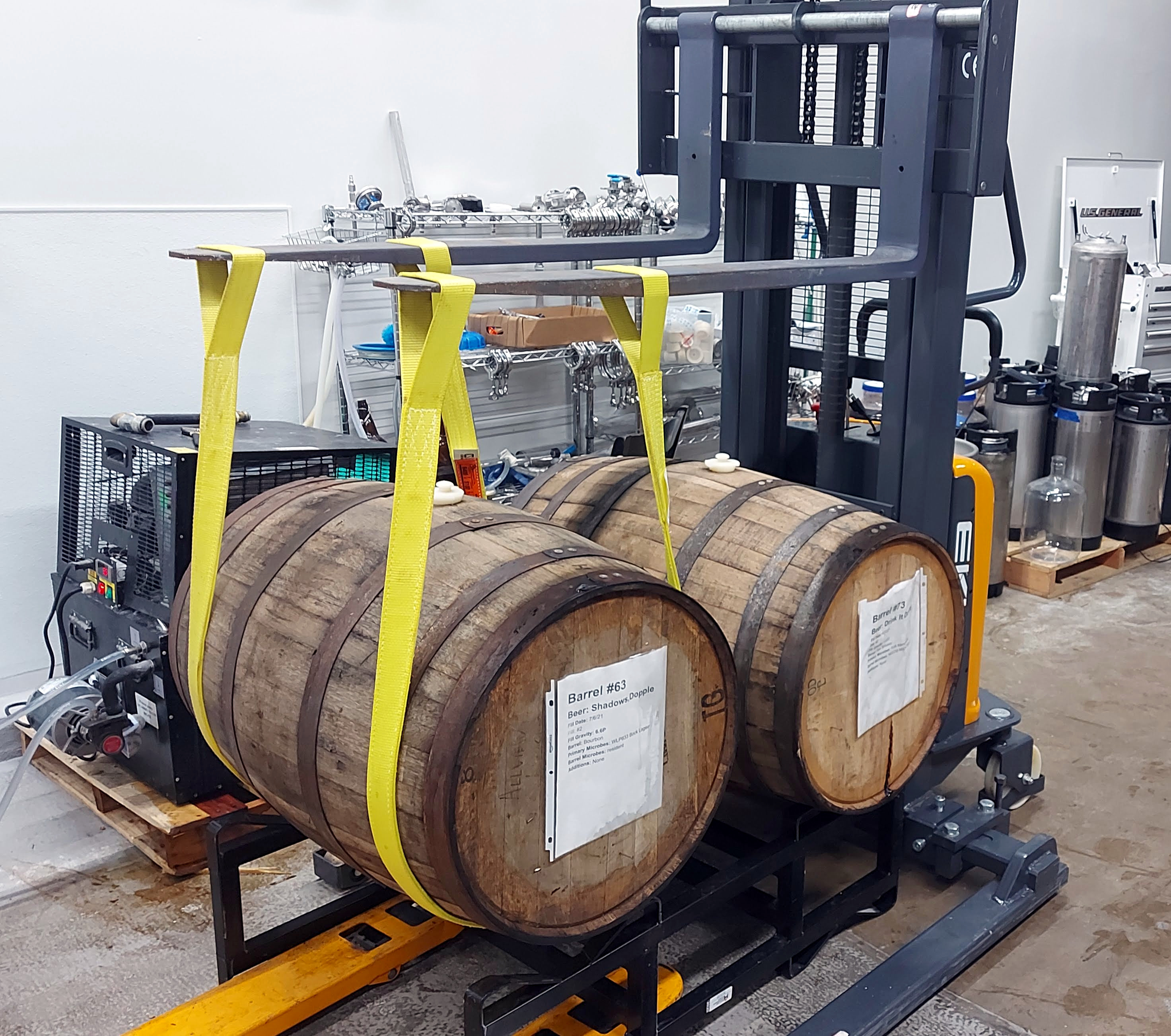
This July marks five years since I left my day job with the federal government to brew full-time. We filled our first barrel with mixed-fermentation saison before opening the tasting room at Sapwood Cellars. Since then, we are up to 80 oak barrels with a dedicated suite for mixed-fermentation. So, I thought it would be a good time to sit down and reflect on the lessons that Scott and I have learned over the years! The things we got right, the things we got wrong, and where we are going from here!
Luckily, we've had a pretty good run so far! We've cultivated a great group of supporters in our Wood Club. Neologism (gin-barrel-aged Cascade/Simcoe Cryo dry-hopped pale sour) was named one of Craft Beer & Brewing's Top-20 beers of 2022 by way of winning a massive blind tasting. Despite the pandemic we've been able to modestly expand (production, staff, and space)! We're even shipping beers around the US through Tavour!
I recently realized that Google discontinued Feedburner in 2021... which is why you haven't gotten an email from me in a while. I've changed The Mad Fermentationist over to a new email service, so if you've signed up you should get emails for new posts going forward! If you want more emails from me, I write the near-weekly Sapwood Newsletter (with details on new beers often including info on ingredients, process, and equipment)!
The Things We Got Right
Diverse Microflora - It is certainly simpler to have a single "house" culture. It allows for relatively worry-free blending, but doesn't leave as much room for unique flavors. Maintaining multiple cultures, we have to worry about the microbes from one barrel over-attenuating in the bottle if they are more attenuative than others in the blend. However, the variety of flavors expressed and the options for blending is worth the effort at our scale. We've been even happier since we started selecting our favorite barrels and using them to inoculate subsequent batches. Now we can select which character fits a pale sour vs. a sour red.
Last week we blended our second batch of Growth Rings (three year blend). To ensure all the microbes have time to get to know each other, we blended the four barrels (all different pale base beers) into a tote. They'll sit there for a couple months to ensure the gravity is stable before priming and bottling.
Balancing Planning and Creativity - We started 2023 with a rough timeline of the 20 or so barrel-aged mixed-ferm we'll release. However, when we fill barrels there generally isn't a specific plan for which barrel will be in which beer. Pale, wine-barrel-aged beer can be delightful on it's own, or serve as a great base of fruit, herbs, or dry hopping. When we taste them, we get to decide what will make the best possible beer. However, it's also nice to have unique bases/barrels earmarked for a particular purpose. Some examples of those include Opulence (sour red with dried sour cherries in the bourbon and red wine barrels), a Brett'd Belgian Tripel in Calvados (apple brandy), or Port barrels for There Are No Edges (Vin de Céréale).
Tracking Barrels - Using Google Sheets has worked out well for us. I can sort based on fill date, final gravity, base beer etc. It allows me to sit on my couch at home and look at what beers we have in need of fruit, blending, packaging etc. Barrels still fall through the cracks (nothing is more heartbreaking than tasting a barrel that is old/stale and seeing a note about how good it was six months ago). Sometimes a beer is delicious, it just doesn't fit into a blend.
Blending with Others - Whether it is our tasting room manager (Spencer), Lead Brewer (Ken), homebrewing friends, fellow brewers (e.g., the brewers from Other Half for a collab) etc. Tasting barrels with other people helps improve your palate, riff on ideas, and make more broadly appealing results. We all have flavor "blind spots" and it is a good idea to have other people looking too. It's fun to riff off other people's ideas and come up with flavor combinations that neither of you would have made on your own.
Packaging - Our general approach to packaging has been a big success... once we started measuring the dissolved CO2 in the beer rather than relying on time/temperature/pressure. We blend barrels or transfer fruited beers to our blending tank and cold crash. The day before bottling we'll push in sugar (boiled in water) along with Premier Cuvee champagne yeast (rehydrated with a small amount of Start-Up/GoFerm nutrient). We then carbonate the beer to ~2 vol of CO2, with the sugar and yeast taking the beer the rest of the way. We fill on a bottler (XpressFill) that purges and counter-pressure fills. So far it's resulted in relatively quick/clean refermentations with reliable carbonation.
The Things We Got Wrong
Not Allocating Time - It is easy to put-off barrel-aged beers for more pressing concerns. When there are DIPAs to dry hop, Pilsners to can, and excises taxes to exercise the sour beers are often pushed to the side. It's rare that a week or two of aging in one direction or another makes a dramatic difference... but it's hard to get the most out of a barrel program if it is always at the bottom of the priority list. We're getting better at it, but I still wish from the start I'd blocked off a specific time/day each week to taste barrels, trial blends, source ingredients, prop microbes etc.
Over-Correcting - Initially we weren't getting enough acidity in some of our beers, so we started pulling levers... colder rinsing barrels, lower hopping rates etc. Then our beers started becoming too sour, so we started veering back in the other direction. Managing a barrel program is like driving a cruise ship, it is difficult to pivot quickly! It's difficult to step back and tell if there is something causing one specific batch from being too sour (or not sour enough) or if there is a systemic issue.
I think we would have been well served to do a better mix starting early (some barrels cold or no-rise, more with just Brett etc.). This would have given us more options when it came to blending over- or under-soured beers.
Appreciating the Impact of Fruit On Acidity - Early on to help out some of those under-acidified beers, we went onto fruit. I was surprised how little additional acidity they picked up from refermentation. Sure adding a really acidic fruit (e.g., black currants for Fellow Feeling) contributed acidity, but just refermenting on wine grapes or peaches did not. However, as our cultures "matured" we suddenly had beers dropping from a tart pH of 3.5 to an obnoxiously-acidic 3.0 after going onto the fruit (2.8 pH was the lowest I measured). That's despite pitching rehydrated wine yeast to ensure a healthy and quick refermentation.
I thought maybe our resident lactic acid bacteria were becoming more hop tolerant, and the dilution of the beer with fruit was allowing them to kick into action. To test this we began adding a small amount of hop extract with the fruit (we use a 20% alpha extract from Hopsteiner). Our fruited beers stopped dropping pH nearly as much, and as an added benefit the head retention improved considerably.
Hot Side Hopping - I didn't appreciate how much of the classic funky lambic/saison profile originates with the hops. While we've always used a "restrained" dose of aged hops at the start of the boil (~.5 lbs/bbl), that just wasn't enough to give the beers the aromatic depth I was looking for. Recently we've been experimenting with a similar size whirlpool addition of cold-stored hops. So far the results are promising! I should have noticed that many of my favorite homebrewed Brett Saisons had big whirlpool additions and/or dry hopping... but those were all relatively quick turn-around and not barrel-aged. I'm glad Scott and Ken pushed to age some of our pale ales (pre-dry hopping) in barrels, an idea I wasn't excited about... but the results have been really delicious!
Where We Are Headed
Barrel-aged sour beer seems to be a wide/shallow market at the moment. The people who love them are still searching them out, but the average beer drinker seems to have moved on to less "challenging" more "reliable" styles. It's hard to know how much the rapid expansion of the segment played into this loss of interest. I've heard of quite a few breweries down-sizing or eliminating barrel-aged sour beers... Luckily we still have 150 people in our Wood Club, which is a great way for us to get these beers into the hands of our biggest supporters and a base-level of sales for eight releases a year. We're aiming to make our mixed-ferm beers more "delicious" the sorts of beers that people want to drink a whole bottle of, not just drink an ounce or two at a share.
However, as we've ramped up the mixed-ferm bottle release schedule (2019 - 8, 2020 -11, 2021 - 13, 2022 - 16, and hopefully ~20 in 2023) we occasionally have bottles to spare. Rather than distribute them locally, we've partnered with Tavour (which ships to many states). They just released Homegrown Rule, a "Marylanbic" base with homegrown lemon verbena (from my yard) and pineapple sage (from Ken's garden). It's tart and snappy, with plenty of our house microbe character, augmented by the citrusy-green notes of the herbs.
Cocktail-inspired beers allow brewers to get more creative while providing craft beer lovers with even more variety and diversity.
The post Flavor Forward: Cocktail-Inspired Beers appeared first on CraftBeer.com.

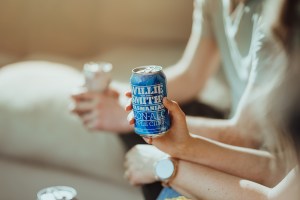
Tasmanian cidery says its new non-alcoholic Apple Cider has the profile of an alcoholic beverage.
The post Willie Smith’s enter non-alc cider market appeared first on Beer & Brewer.
This week I take a look at the technical nature of beer brewing and how it differs from making other beverages like wine, cider or mead. Beer Brewing and Technology I often open my designing beer presentations with a description of the technical nature of brewing. Beer brewing is a much more technical hobby than […] Here’s a look at how six Northern California breweries are crafting conscious, sustainable beers, and why they do it.
The post The Localization of Beer Marches On appeared first on CraftBeer.com.
Over the weekend I completed a long overdue revision of the BeerSmith forum. I moved to a new forum software platform, which adds a ton of new features. I also secured the main BeerSmith web site, blog, forum and recipes site so they all redirect to our secure server now. This resolved a series of […]
This week I cover some of the changes you need to make to brew a high gravity beer using BeerSmith software. High gravity beers (generally over 1.060 or so) do require some minor changes to your recipe and equipment profile as well as some process changes for brewing. High Gravity Brewing Considerations I’ve written a […]
This week I take a look at the very important topic of blending traditional sour and barrel aged beers. Traditional sour beer brewing, where fermentation is done before the souring, as well as many barrel aged beers can be hard to get right the first time. Both involve very long maturation cycles, relatively high alcohol […]
This week I take a look at the Dunkles Bock beer style from Northern Germany and examine its history and how to brew one. Dunkles Bock is a dark, strong, malty German lager. Dunkles Bock History Bock beer traces its history to Einbeck, a small German town between Kassel and Hannover. Brewing records mentioning bock […] You know the saying: “Give a man a fish, and you feed him for a day. Teach a man to fish, and you feed him for a lifetime.” Well, beer’s always been there for fish, but only recently have chefs around the country sufficiently established the pairings between seafood and suds to make them part […]
The post Salinity & Suds: Pairing Beer with Seafood appeared first on CraftBeer.com.
This week I take a look at the reason why most beer brewers have moved to a single boil addition instead of having short duration flavor and aroma hop additions in the boil. The History of Short Duration Boil Additions When I started brewing back in 1987 it was very common to use short duration, […]
This week I take a look at the key components of a brewing yeast data sheet and how to apply them when brewing beer. Yeast Data Sheets With the explosion of information available to home brewers, many yeast labs are now providing detailed data on the performance of their yeast strains. Virtually all yeast labs […] As if the countless American IPA iterations were not enough to satiate a hophead’s palate, a new one—dubbed Cold IPA—lingers bitterly on the horizon.
The post Is Cold IPA Really a New Beer Style (and Does that Even Matter)? appeared first on CraftBeer.com.
This week I’m going to cover the two major methods (in two parts) used to create sour beers at a home brew level. While sour beer brewing is considered a more advanced brewing technique, it is possible for even a beginning homebrewer to create great sour beers using these methods. Sour Beer Basics Sour beers […]
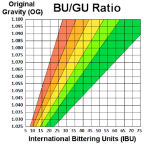
This week I take a look at some of the factors affecting how bitterness in beer is perceived and how they interact in a finished beer. Bitterness Perception in Beer For many years, I thought that the International Bitterness Units (IBU) level drove the overall bitterness level in a finished beer. As I matured as […]
I frequently get the question of how to transition BeerSmith data from one computer to another if you have purchased a new computer. This week I’m going to cover how to most easily transfer your local brewing data. It is important to note that BeerSmith desktop stores all of your “My Recipe” data locally on […]
BeerSmith Holiday Sale – 20% Off!Get the lowest price we’ve ever offered on a combined BeerSmith desktop and BeerSmith web Gold license starting at $11.95 for your first year! (Sale ends at midnight Eastern US time on Monday 6 December) Imagine Your Best Beer Ever!Take the guesswork out of your brewing. BeerSmith desktop and BeerSmith […]
Some of the most frequent questions I receive on BeerSmith software are about how to properly set up and dial in your equipment profile. This is an important first step as the equipment you are using drives all of the critical recipe estimates like color, bitterness and original gravity. I’ve composed many articles and videos […]
This week I present the mash temperature calculations in BeerSmith and how you can adjust your equipment profile and mash profile to hit your mash temperature the first time. Mash Steps and Profiles To understand the mash profile system in BeerSmith, lets start with the mash profiles themselves. You can edit and create mash profiles […] From Firestone Walker: “Cinnamon Dolce Stout is a nitro milk stout conditioned on whole Madagascar vanilla beans and cinnamon sticks. The malt profile is designed to provide rich coffee, chocolate, and sweet malty notes to play off the cinnamon and vanilla and provide an overall profile similar to cinnamon dolce coffee, which is typically a […]
The post Reviewed: Firestone Waker Cinnamon Dolce Nitro Stout appeared first on The Full Pint - Craft Beer News.
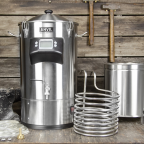
With the growing popularity of small tabletop all-grain brewing systems I decided to take a look this week at how to set up and use these systems in BeerSmith. Tabletop All-in-one Brewing Systems There has been an explosion in the popularity of small all-in-one all grain electric brewing systems. These include systems like the DigiMash, […]