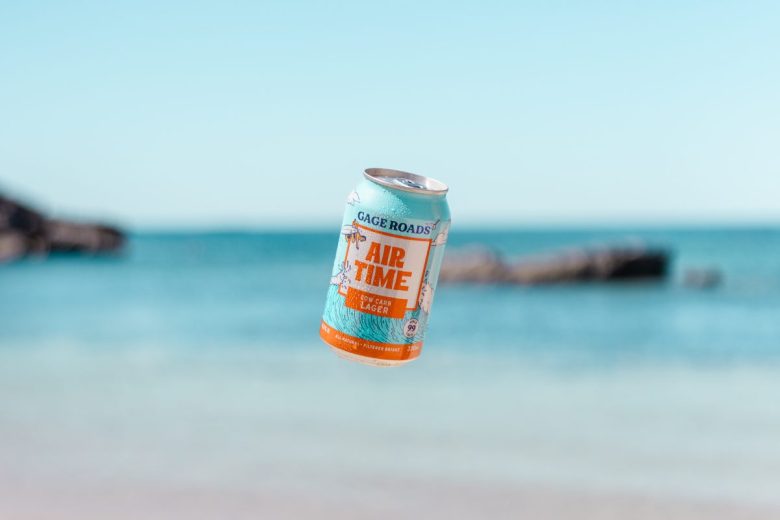
New low carb lagers and an Australian rollout of a popular non-alcoholic stout hit the shelves and beer taps.
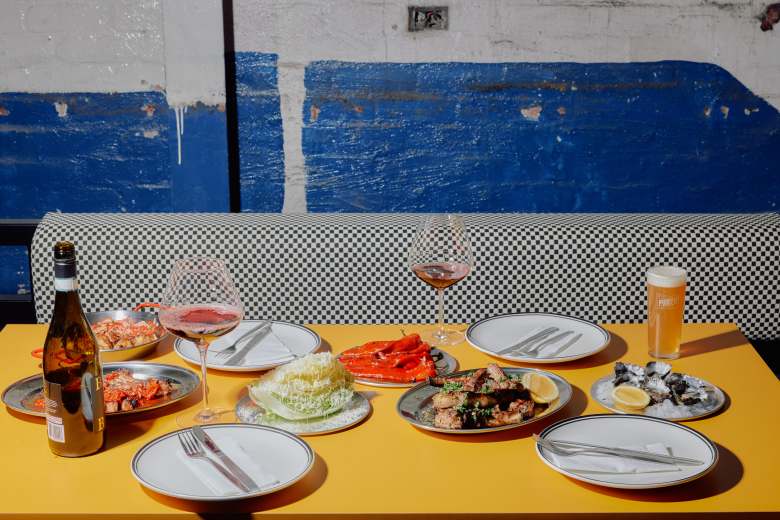
Pirate Life South Melbourne brings high energy food and beverage experiences to a former mechanics garage.
John Palmer joins me this week to discuss the state of the art in homebrewing and also shares his top five homebrewing priorities. Subscribe on iTunes to Audio version or Video version or Spotify or Google Play Download the MP3 File– Right Click and Save As to download this mp3 file. Your browser does not […] France is famous for its attachment to good food and good alcohol—the French art de vivre. Beer still doesn’t seem to qualify as such. But that might be changing.
The post France Is Not a Beer Country, but It Could Be appeared first on CraftBeer.com.
In addition to music venues, bodacious barbecue, and epic tacos, this booming metropolis is The Lone Star State’s leading locale for incredible craft beer.
The post Three Beer-Filled Days in Austin, Texas appeared first on CraftBeer.com.
Bière de garde is a malty style of beer that is undiscovered to many. Translated to "beer for keeping," the style was traditionally brewed in Northern France and is known for its malt-focused, toasty taste, and slight sweetness.
The post Bière de Garde: ‘A Breath of Fresh Air’ appeared first on CraftBeer.com.
Smoothie sours are attracting a whole new audience of beer drinkers that otherwise would not make their way into a brewery.
The post Cheesecake and Ice Cream and Blueberry, Oh My: The Allure of Smoothie Sours appeared first on CraftBeer.com.
Ron Pattinson joins me this week to discuss his recently published book on British Brewing in World War II (WWII). Subscribe on iTunes to Audio version or Video version or Spotify or Google Play Download the MP3 File– Right Click and Save As to download this mp3 file. Your browser does not support the audio […] To reach the broadest possible demographic, breweries are embracing kosher certification.
The post Keeping Kosher in Craft Beer appeared first on CraftBeer.com.
This week I examine a group of US hops from the Pacific Northwest. These American hops form the heart of the US Craft Beer revolution and are widely used in American Pale Ale, and the wide array of India Pale Ales (IPAs) that now dominate Craft Beer production in the US. The Pacific Northwest Hops […]
This week I take a look at the English hop group and what makes these hops unique for English ales. English Hop Growing The British hops group consists of hop varieties grown in Great Britain. These hops were first grown in the South-East counties of Suffolk, Kent, Surrey and Sussex. A short time later the […] The United States is home to more than 18,000 islands, and for travel lovers, many are worth adding to a list of must-see destinations. Luckily for craft beer enthusiasts, there are breweries located on several of these islands.
The post These 19 Breweries Are on U.S. Islands appeared first on CraftBeer.com.
Ken Schramm joins me this week to discuss which fruits work best in meads. Subscribe on iTunes to Audio version or Video version or Spotify or Google Play Download the MP3 File– Right Click and Save As to download this mp3 file. Your browser does not support the audio element. Topics in This Week’s Episode […]
This week I take a look at the Noble hop group which are varieties of hops primarily grown in Continental Europe for use in European lagers and ales. Noble Hops The noble hops group are varieties of hops mainly grown in Central Europe that are characterizes by rich aroma and flavor. They are widely used […] Visiting Denver for the Great American Beer Festival (GABF) tops the bucket list of many beer lovers around the world.
The post 10 Reasons to Attend the Great American Beer Festival appeared first on CraftBeer.com.
This week I take a look at yeast autolysis which is the decomposition of yeast, and how it affects beer flavor as your beer ages. Yeast Autolysis The word autolysis literally means self-destruction, and yeast autolysis is the final stage for a yeast cell life where the yeast cell wall literally bursts open and releases […] Hops once destined for beer have found a new prominence in hard seltzers, kombucha, and cocktails.
The post New Hope For Hops appeared first on CraftBeer.com.
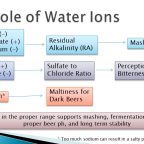
This week I welcome back John Palmer to discuss English and American Pale Ales and IPAs and how water shapes the flavor of these beers. Subscribe on iTunes to Audio version or Video version or Spotify or Google Play Download the MP3 File– Right Click and Save As to download this mp3 file. Your browser […] Back Home Beer brings to life Iranian and Middle Eastern ingredients and flavors, and celebrates the communal joy of brewing and bonding with one another over beer.
The post Transporting Beer Drinkers ‘Back Home’ with Middle Eastern Flair appeared first on CraftBeer.com.
This week I welcome Jamil Zainasheff back for another brewing question and answer session. Jamil covers a wide variety of topics from Hazy IPAs to the state of homebrewing. Subscribe on iTunes to Audio version or Video version or Spotify or Google Play Download the MP3 File– Right Click and Save As to download this […] Jerry Franck, an Academy Award-nominated documentary filmmaker, followed a few notable lambic breweries to help sustain what many see as an anachronistic approach to beer making.
The post The Coolship Has Landed: Film Elevates the Art of Lambic Brewing appeared first on CraftBeer.com.
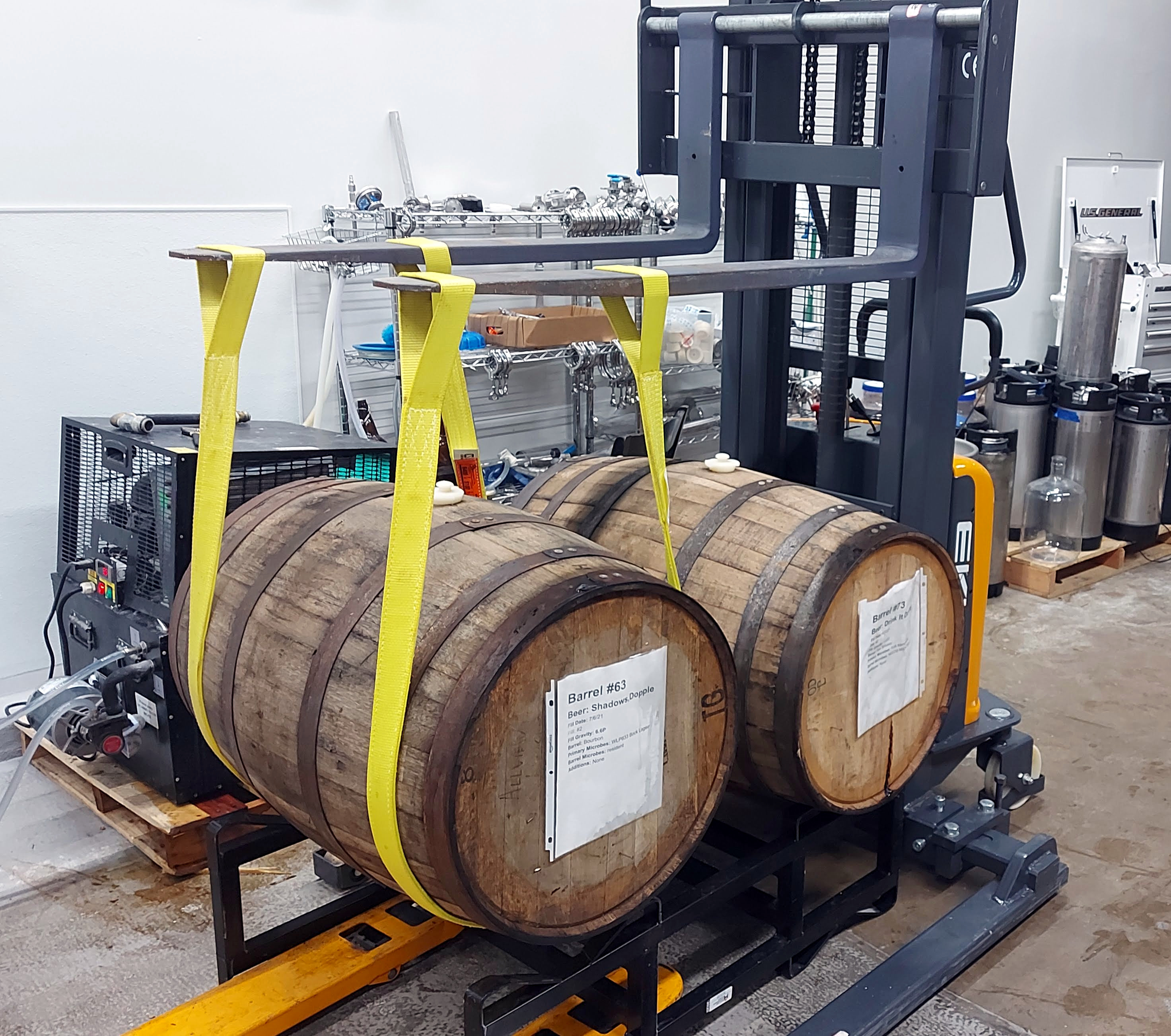
This July marks five years since I left my day job with the federal government to brew full-time. We filled our first barrel with mixed-fermentation saison before opening the tasting room at Sapwood Cellars. Since then, we are up to 80 oak barrels with a dedicated suite for mixed-fermentation. So, I thought it would be a good time to sit down and reflect on the lessons that Scott and I have learned over the years! The things we got right, the things we got wrong, and where we are going from here!
Luckily, we've had a pretty good run so far! We've cultivated a great group of supporters in our Wood Club. Neologism (gin-barrel-aged Cascade/Simcoe Cryo dry-hopped pale sour) was named one of Craft Beer & Brewing's Top-20 beers of 2022 by way of winning a massive blind tasting. Despite the pandemic we've been able to modestly expand (production, staff, and space)! We're even shipping beers around the US through Tavour!
I recently realized that Google discontinued Feedburner in 2021... which is why you haven't gotten an email from me in a while. I've changed The Mad Fermentationist over to a new email service, so if you've signed up you should get emails for new posts going forward! If you want more emails from me, I write the near-weekly Sapwood Newsletter (with details on new beers often including info on ingredients, process, and equipment)!
Diverse Microflora - It is certainly simpler to have a single "house" culture. It allows for relatively worry-free blending, but doesn't leave as much room for unique flavors. Maintaining multiple cultures, we have to worry about the microbes from one barrel over-attenuating in the bottle if they are more attenuative than others in the blend. However, the variety of flavors expressed and the options for blending is worth the effort at our scale. We've been even happier since we started selecting our favorite barrels and using them to inoculate subsequent batches. Now we can select which character fits a pale sour vs. a sour red.
Last week we blended our second batch of Growth Rings (three year blend). To ensure all the microbes have time to get to know each other, we blended the four barrels (all different pale base beers) into a tote. They'll sit there for a couple months to ensure the gravity is stable before priming and bottling.
Balancing Planning and Creativity - We started 2023 with a rough timeline of the 20 or so barrel-aged mixed-ferm we'll release. However, when we fill barrels there generally isn't a specific plan for which barrel will be in which beer. Pale, wine-barrel-aged beer can be delightful on it's own, or serve as a great base of fruit, herbs, or dry hopping. When we taste them, we get to decide what will make the best possible beer. However, it's also nice to have unique bases/barrels earmarked for a particular purpose. Some examples of those include Opulence (sour red with dried sour cherries in the bourbon and red wine barrels), a Brett'd Belgian Tripel in Calvados (apple brandy), or Port barrels for There Are No Edges (Vin de Céréale).
Tracking Barrels - Using Google Sheets has worked out well for us. I can sort based on fill date, final gravity, base beer etc. It allows me to sit on my couch at home and look at what beers we have in need of fruit, blending, packaging etc. Barrels still fall through the cracks (nothing is more heartbreaking than tasting a barrel that is old/stale and seeing a note about how good it was six months ago). Sometimes a beer is delicious, it just doesn't fit into a blend.
Blending with Others - Whether it is our tasting room manager (Spencer), Lead Brewer (Ken), homebrewing friends, fellow brewers (e.g., the brewers from Other Half for a collab) etc. Tasting barrels with other people helps improve your palate, riff on ideas, and make more broadly appealing results. We all have flavor "blind spots" and it is a good idea to have other people looking too. It's fun to riff off other people's ideas and come up with flavor combinations that neither of you would have made on your own.
Packaging - Our general approach to packaging has been a big success... once we started measuring the dissolved CO2 in the beer rather than relying on time/temperature/pressure. We blend barrels or transfer fruited beers to our blending tank and cold crash. The day before bottling we'll push in sugar (boiled in water) along with Premier Cuvee champagne yeast (rehydrated with a small amount of Start-Up/GoFerm nutrient). We then carbonate the beer to ~2 vol of CO2, with the sugar and yeast taking the beer the rest of the way. We fill on a bottler (XpressFill) that purges and counter-pressure fills. So far it's resulted in relatively quick/clean refermentations with reliable carbonation.
Not Allocating Time - It is easy to put-off barrel-aged beers for more pressing concerns. When there are DIPAs to dry hop, Pilsners to can, and excises taxes to exercise the sour beers are often pushed to the side. It's rare that a week or two of aging in one direction or another makes a dramatic difference... but it's hard to get the most out of a barrel program if it is always at the bottom of the priority list. We're getting better at it, but I still wish from the start I'd blocked off a specific time/day each week to taste barrels, trial blends, source ingredients, prop microbes etc.
Over-Correcting - Initially we weren't getting enough acidity in some of our beers, so we started pulling levers... colder rinsing barrels, lower hopping rates etc. Then our beers started becoming too sour, so we started veering back in the other direction. Managing a barrel program is like driving a cruise ship, it is difficult to pivot quickly! It's difficult to step back and tell if there is something causing one specific batch from being too sour (or not sour enough) or if there is a systemic issue.
I think we would have been well served to do a better mix starting early (some barrels cold or no-rise, more with just Brett etc.). This would have given us more options when it came to blending over- or under-soured beers.
Appreciating the Impact of Fruit On Acidity - Early on to help out some of those under-acidified beers, we went onto fruit. I was surprised how little additional acidity they picked up from refermentation. Sure adding a really acidic fruit (e.g., black currants for Fellow Feeling) contributed acidity, but just refermenting on wine grapes or peaches did not. However, as our cultures "matured" we suddenly had beers dropping from a tart pH of 3.5 to an obnoxiously-acidic 3.0 after going onto the fruit (2.8 pH was the lowest I measured). That's despite pitching rehydrated wine yeast to ensure a healthy and quick refermentation.
I thought maybe our resident lactic acid bacteria were becoming more hop tolerant, and the dilution of the beer with fruit was allowing them to kick into action. To test this we began adding a small amount of hop extract with the fruit (we use a 20% alpha extract from Hopsteiner). Our fruited beers stopped dropping pH nearly as much, and as an added benefit the head retention improved considerably.
Hot Side Hopping - I didn't appreciate how much of the classic funky lambic/saison profile originates with the hops. While we've always used a "restrained" dose of aged hops at the start of the boil (~.5 lbs/bbl), that just wasn't enough to give the beers the aromatic depth I was looking for. Recently we've been experimenting with a similar size whirlpool addition of cold-stored hops. So far the results are promising! I should have noticed that many of my favorite homebrewed Brett Saisons had big whirlpool additions and/or dry hopping... but those were all relatively quick turn-around and not barrel-aged. I'm glad Scott and Ken pushed to age some of our pale ales (pre-dry hopping) in barrels, an idea I wasn't excited about... but the results have been really delicious!
Barrel-aged sour beer seems to be a wide/shallow market at the moment. The people who love them are still searching them out, but the average beer drinker seems to have moved on to less "challenging" more "reliable" styles. It's hard to know how much the rapid expansion of the segment played into this loss of interest. I've heard of quite a few breweries down-sizing or eliminating barrel-aged sour beers... Luckily we still have 150 people in our Wood Club, which is a great way for us to get these beers into the hands of our biggest supporters and a base-level of sales for eight releases a year. We're aiming to make our mixed-ferm beers more "delicious" the sorts of beers that people want to drink a whole bottle of, not just drink an ounce or two at a share.
However, as we've ramped up the mixed-ferm bottle release schedule (2019 - 8, 2020 -11, 2021 - 13, 2022 - 16, and hopefully ~20 in 2023) we occasionally have bottles to spare. Rather than distribute them locally, we've partnered with Tavour (which ships to many states). They just released Homegrown Rule, a "Marylanbic" base with homegrown lemon verbena (from my yard) and pineapple sage (from Ken's garden). It's tart and snappy, with plenty of our house microbe character, augmented by the citrusy-green notes of the herbs.
Here are five small breweries that have opened since 2020. If you haven’t heard about them yet, it’s likely you will soon.
The post Five Young Breweries You’ll Be Hearing About Soon appeared first on CraftBeer.com.
This week I take a look at the recent trend towards lagers in Craft Brewing. While they certainly won’t replace IPAs in the US Craft Beer market, we’re seeing more finely crafted lagers entering the market in the past few years. Craft Lagers on the Rise IPAs continue to absolutely dominate the Craft Beer market, […] Cape May, NJ – Cape May Brewing Company is excited to announce their debut craft beer variety 12-pack, which includes four of their flagship brews and a range of styles: […]
The post Cape May Brewing Debuts Craft Beer Variety Pack appeared first on The Full Pint - Craft Beer News.
Cocktail-inspired beers allow brewers to get more creative while providing craft beer lovers with even more variety and diversity.
The post Flavor Forward: Cocktail-Inspired Beers appeared first on CraftBeer.com.
Many chefs are finding the sweet spot for beer and smoked food, managing the level of smoke intake for a more pleasurable meal.
The post Smoke and a Beer appeared first on CraftBeer.com.