While women are currently a minority in the homebrewing community, they are increasingly taking on leadership roles and becoming the most outspoken proponents of the hobby.
The post Can Women Save Homebrewing? appeared first on CraftBeer.com.
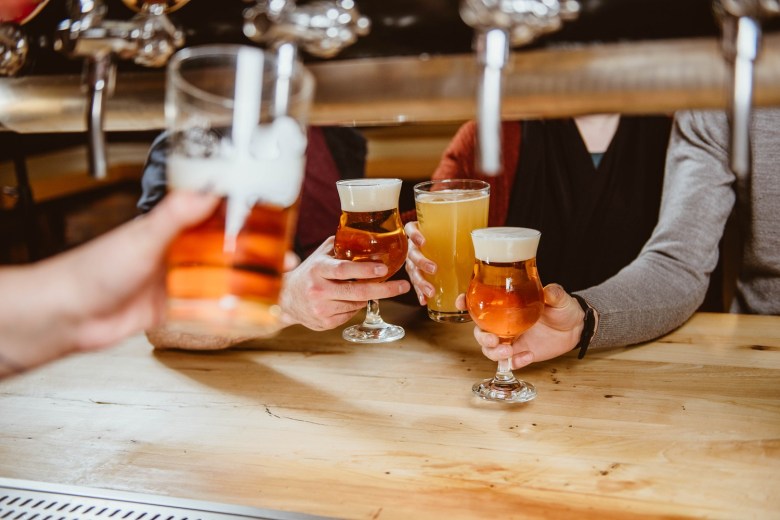
While women are currently a minority in the homebrewing community, they are increasingly taking on leadership roles and becoming the most outspoken proponents of the hobby.
The post Can Women Save Homebrewing? appeared first on CraftBeer.com.
With many breweries facing a slow January, the Brewers Association in the United States is encouraging people to support their local breweries. Many small-town breweries are woven into the fabric of their surroundings. They're gathering places for tourists and locals alike, representing Americana at its finest.
The post Live and Brew in a Small Town appeared first on CraftBeer.com.
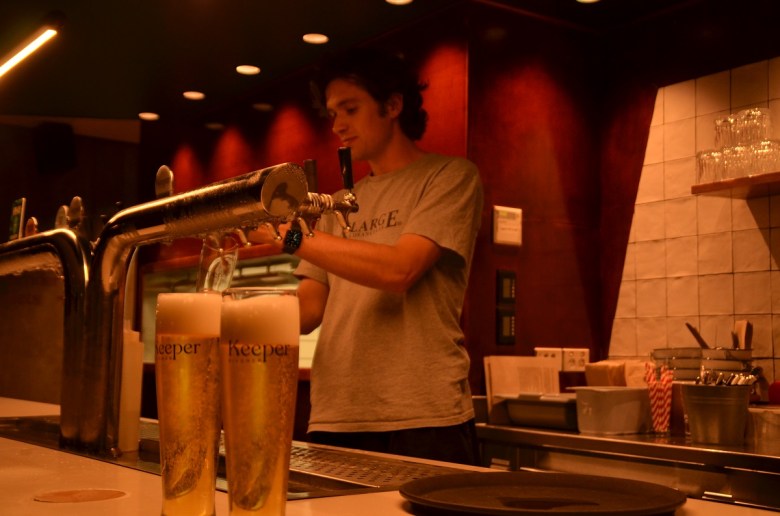
Brunswick brewery Keeper Brewing is continuing its focus on crafting one style of beer, the Pilsner, as the category grows in demand. At Iowa's rapidly expanding Big Grove Brewery, the goal isn’t to make money today, but to make people come back tomorrow.
The post Big Grove’s Big Plans: Give Iowa a Try appeared first on CraftBeer.com.
One of the classic styles, and one of the most fabulous beers steeped in history, Kölsch is often underrated and overlooked.
John Keske, President of Melbourne Brewers, has been kind enough to share this mouthwatering recipe of his award winning Kölsch.
Chuck Hahn is launching a campaign to find a five-person Tasting Panel for his new brewery, Chuck and Son’s Brewing Co.
Heaps Normal Records will work with emerging musicians each quarter to release vinyl records, merch and other products.
John Palmer guides you through brewing this delightful beer, that is widely praised but far too often poorly replicated.
John Palmer guides you through brewing this delightful beer, that is widely praised but far too often poorly replicated. Don't call it a comeback: Detroit's vibrant craft beer scene mirrors the city's own renaissance.
The post Celebrating Detroit’s Craft Beer History appeared first on CraftBeer.com.
There’s an old saying in winemaking that it takes a lot of great beer to make great wine. But in the brewing industry, it takes plenty of great tacos to make great beer.
The post Tacos & Beer: Fueling the Yakima Valley’s Hop Harvest appeared first on CraftBeer.com.
Australian craft beer fans, colleagues and a smattering of journalists gathered last Sunday for the official launch of Sydney Beer Week and the 2024 Beer & Brewer Awards.
From industrial chemistry to marketing to brewing, Esker Beer Co’s Charlie Claridge leans on his diverse experience to create award-winning beer.
All independent breweries are invited to submit, with the resultant data supporting advocacy on both state and federal levels. Ice cream soda floated into our collective consciousness 150 years ago. Now, a beery take on this fanciful beverage is winning converts.
The post A Dreamy Pairing: Beer & Ice Cream appeared first on CraftBeer.com.
Frenchies Brewery Head Brewer Sam McDonough spoke to Beer & Brewer about his decade in the industry, working with some of Australia’s most well-known craft breweries. As someone with a "beer-centric" palate, it is often difficult for me to find cocktails that I enjoy. When I go to a cocktail bar and order something that sounds interesting, the flavors are often overwhelmingly concentrated, and the balance tends to be either super-sweet or super-boozy. The 20-30+% ABV of most cocktails also makes them rough to drink at the same rate you would a beer...
So, I thought it would be interesting to invent a few cocktails inspired by the balance and flavors of some of my favorite beer styles. If you want to drink something that tastes exactly like a beer… drink a beer! These cocktails are “inspired” by the flavors in the style and the overall balance of the style in terms of alcohol-bitterness-sweetness, they aren’t meant to be “ringers” for drinking a given beer. I'm also trying to avoid "uncommon" ingredients... although some of these may take a little searching at a specialty grocery/liquor store or online.
I’m not an experienced bartender or mixologist, if you try one of these let me know what you think and if you have any suggestions!
Gin and Tonic is my standard cocktail order because it isn't too strong or too sweet, and the bitter/herbal notes are something I appreciate. I also find Ramos GIn Fizz to be a fun one, with the added body of an egg white and cream, and more citrus from lemon juice and orange blossom water. In this "Hazy IPA" inspired riff, I swapped out the tonic for aromatic hop water. To replace the malt sweetness and enhance the juicy flavors from the hops I added orange juice. To keep it from being too one-note orange, I added New Zealand Sauvignon Blanc, which contains high concentrations of many of the aromatics produced by Thiolized yeast and found in New Zealand hops. An egg white helps to add haze, foam, and body.
Recipe
In a shaker, combine:
1.5 oz Bombay Dry Gin
1.25 oz Orange Juice
1.25 oz Oyster Bay Sauvignon Blanc
1 Egg White
Dry shake 10 seconds
Pour into a glass, then top-up with:
6 oz Hop Water
6.7 % ABV
Ingredient Notes: The Hop Water you choose is up to you. I've enjoyed the ones from breweries as well as places like Hoplark. You can also make your own with carbonated water and some hop terpenes (I like the ones from Abstrax). Use pasteurized egg white if you are worried about the risk of salmonella. If you don't like orange, try mango or another juice that appeals to you.
Tasting Notes
Smell - Winey tropical-citrus. Slight herbal from the hops and gin. Doesn't read obviously juniper.
Appearance - Very pale, very hazy. Great sticky head.
Taste - Pleasantly sweet. Good balance of the juice and wine, without either dominating. The gin provides some depth, but again not overtly gin-y. The hop water brings herbal complexity without dominating the other ingredients with "hops."
Mouthfeel - Medium-light body, light carbonation.
Drinkability - Light and bright, citrusy.
Changes for Next Time - Certainly could add a few drops of hop terpenes if you want to send it more hoppy. Some hopped bitters could be a nice addition if you like a little more bitterness.
Thanks to Audrey, I've really come to enjoy fortified wines like Port, Sherry, and especially Madeira. It's traditionally made by halting fermentation with an addition of brandy to preserve the sweetness of the wine, then aged at elevated temperatures. The result is a like a concentrated barrel-aged English barleywine, woody, with dried fruit, and pleasant oxidative notes. I added Rye Whiskey to elevate the vanilla notes. Malta is essentially unfermented wort, but tends to have big caramel and malt extract notes from pasteurization. It helps by lowering the alcohol without thinning the cocktail, adding a little carbonation.
Recipe
Combine together:
.5 oz Bulleit Rye (95 Proof)
1 oz Broadbent 10 Year Verdelho Madeira
1 oz H&H 10 Year Sercial Madeira
Stir, then top with:
2 oz Malta India (or Malta Goya)
14.0% ABV
Ingredient Notes: Madeira comes in various sweetness levels, the really sweet ones are too sugary for my tastes in this. Sercial is the driest and Verdelho is off-dry, but find ones that work for your palate.
Tasting Notes
Smell - The vanilla/oak of the rye leads. Rich dried fruit behind it. There is some maltiness there, but definitely tastes like a really aged-out barleywine without any fresh graininess. Boozy, hotter than I'd expect from an English barleywine.
Appearance - Deep leathery brown. Good clarity. No head.
Taste - The Maderia really gives it an "aged" character, lots of raisin and date. The Sercial especially gives it a fun oxidative weirdness, and a faint acidity. There is a "sugary" sweetness, along with some alcohol warmth. Subtle bitterness.
Mouthfeel - Almost flat, "barrel sample" generously. Not quite as full as a real barleywine, but not watery or thin by any means.
Drinkability - This is one of the more evocative ones, really has a lot of the flavors you'd expect from a barrel-aged barleywine. It's a little sweet for me, but so are a lot of barleywines.
Changes for Next Time - Wish it had a little more carbonation. Otherwise it really satisfies that English Barleywine itch.
One of the classic inclusions in the microbe blend for Flemish Red/Browns (e.g., Wyeast Roeselare) is Sherry Flor. This oxidative yeast forms the pellicle on sherry and produces the characteristics aldehydes that give sherry a nutty/fruity aroma. Oloroso is more "microbe" forward, funkier, while PX is more sweet and dried fruit (especially raisin). The acidity of the grapes needs a little help to mimic the classic examples of the style, so inspired by shrubs I added both vinegar and kombucha. The blend of sherries, sweetness of the kombucha, and amount of vinegar are all variables you can adjust.
Recipe
Combine together:
.5 oz Lustau Oloroso Sherry
.5 oz Lustau PX Sherry
.25 tsp Balsamic Vinegar
Stir, then top with:
3 oz Wild Bay Elderberry Kombucha
4.6% ABV
Ingredient Notes: The kombucha choice is tricky, a cherry kombucha is a nice choice if you are looking to replicate a fruited version of the style. For my palate I'd avoid those kombucha with stevia or other non-sugar sweeteners. Cream Sherry is a blend of Oloroso and PX and could be a stand-alone replacement (although you the flexibility or tweaking your blend).
Tasting Notes
Smell - Fun mix of red fruit and raisins. A little oak/almond. The elderberry works well compared to some other kombuchas since it isn't as distinct as cherry, strawberry et al. I like the Wild Bay since it doesn't have stevia or other non-sugar sweeteners.
Appearance - Clear, more amber than red. Color is about right. Not much foam.
Taste - Pleasantly sweet. Tart, with just a touch of vinegar. It has a good blend of fresh and dried fruit flavors, plum, fig, raisin etc. A little oaky. Has that classic Belgian Red balance with sugar balancing the acid.
Mouthfeel - Medium body, pleasant low carbonation.
Drinkability - This is a super interesting result for low ABV.
Changes for Next Time - Misses the maltiness of the real version, but it has the fruitiness, acid, oak, age. For a low ABV cocktail it really delivers, with the fermentation of the kombucha helping stretch the Sherry.
Flavored beers are one of the "easiest" points of entry since they already have big flavors that aren't from malt, hops, or yeast. That said, it seemed like a waste of time to make a smoothie sour cocktail. Coffee stout is still a stout, and seemed like a nice place to work in bourbon since it usually includes some barley and brings big oak aromatics that work well in stouts. A little Malta again provides body, sweetness, and a touch of carbonation.
Recipe
Combine together:
4 oz Cold Brew Coffee
1 oz Kahlua
1 oz Bourbon
Stir, then top with:
2 oz Malta India
7.5% ABV
Ingredient Notes: I should probably have sourced a "better" coffee liquor, but Kahlua is what we had on hand. Homemade cold brew would work just as well, if not better.
Tasting Notes
Smell - Big coffee nose, with some vanilla. It reads caramel malty, but not roasty.
Appearance - Deep brown, with red at the edges when held to the light.
Taste - Has a pleasant sweetness, certainly sweeter than a typical coffee stout thanks to the simple sugars. Nice note of bourbon woody/vanilla in the finish
Mouthfeel - Medium body, light carbonation.
Drinkability - I really like this one, more coffee-focused than a stout usually is, but the other notes round it out.
Changes for Next Time - I think this one straddles the line between traditional coffee stout and pastry stout. A little sugary compared to a classic stout.
This has been fun for me to work on the last couple months. I'll probably make a Part #2 if there is interest... already playing around with a West Coast Grapefruit IPA, Pastry Stout plus plans for Wit, Rauchbier, and Saison!
Shoot me a line if you try any of these out, or if you have suggestions or other ideas!
The new suite of resources aims to support independent brewers in maintaining consistent quality across their products.
Future XPA uses climate-resistant hops and grains to investigate ways that beer can adapt to our changing climate.
Yulli’s Brews Head Brewer, Jamie Webb-Smith, speaks about championing ingredients, making consistently good beer, and growing his knowledge.
The 2024 financial year was a difficult period for craft beer, but the industry has developed strategies to cope with further challenges. The market is responding to the growing demand for flavorful, well crafted non-alcohol beer.
The post The NA Way: The Rise of Non-Alcohol Beer appeared first on CraftBeer.com.
From Irish stout to hazy pale ales, Beer & Brewer rounds up the best non-alcoholic beers for Dry July.